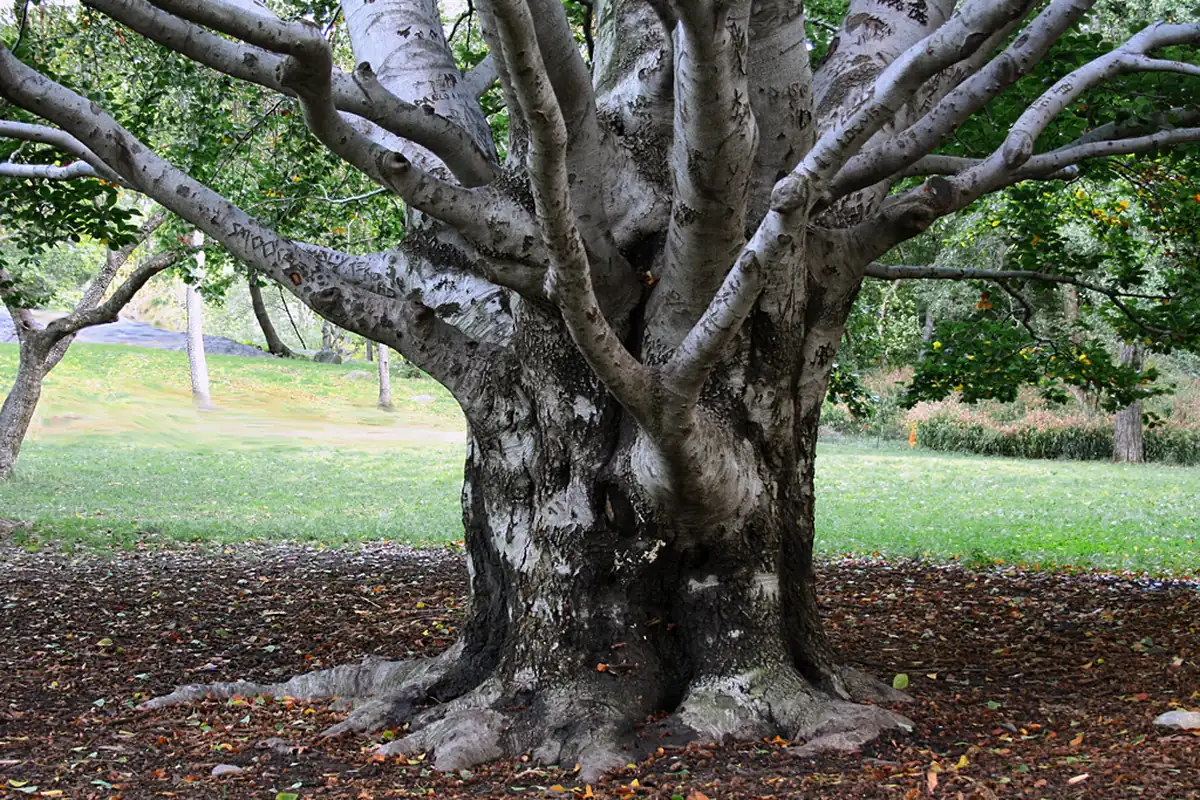
The 13 native species on the City of Pasadena protected tree list
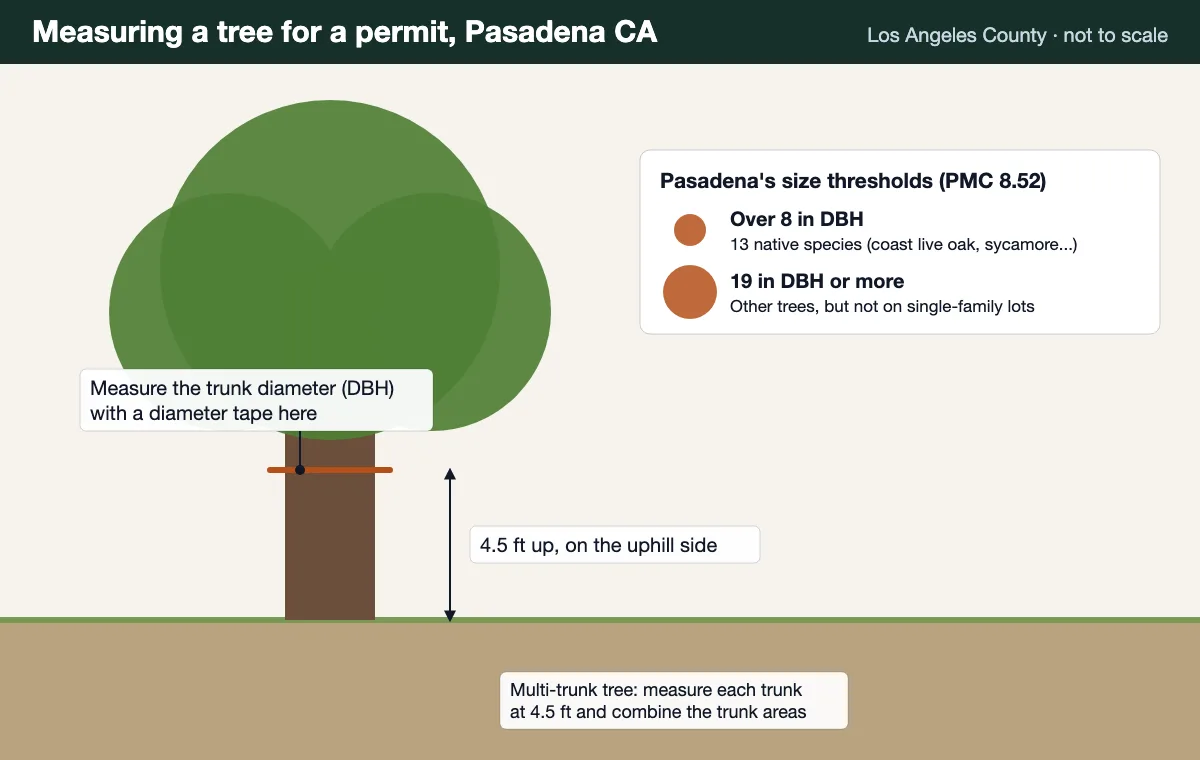
Pasadena's protected native trees are 13 species, protected once the trunk is more than 8 inches in diameter 4.5 feet above natural grade (section 8.52.020 P):
| Common name | Botanical name |
|---|---|
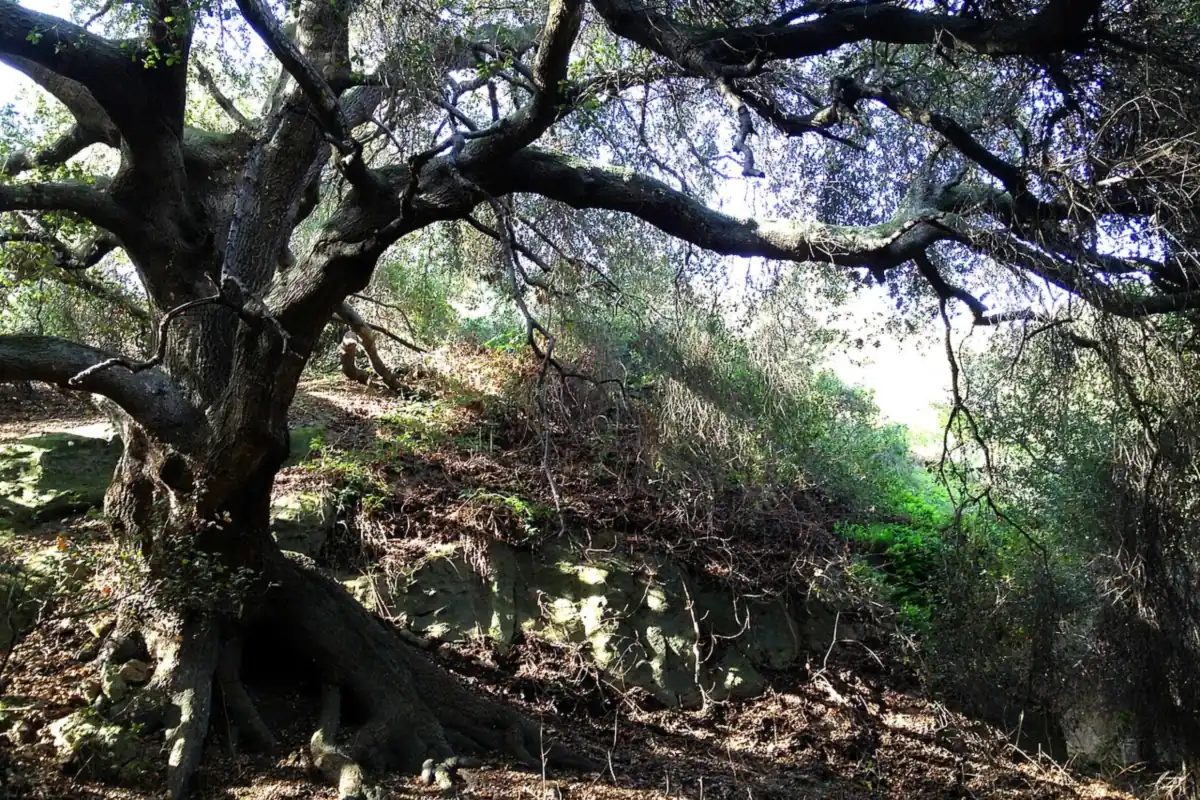
| Coast live oak | Quercus agrifolia |
| Engelmann oak | Quercus engelmannii |
| Canyon oak | Quercus chrysolepis |
| Scrub oak | Quercus berberidifolia |
| Valley oak | Quercus lobata |
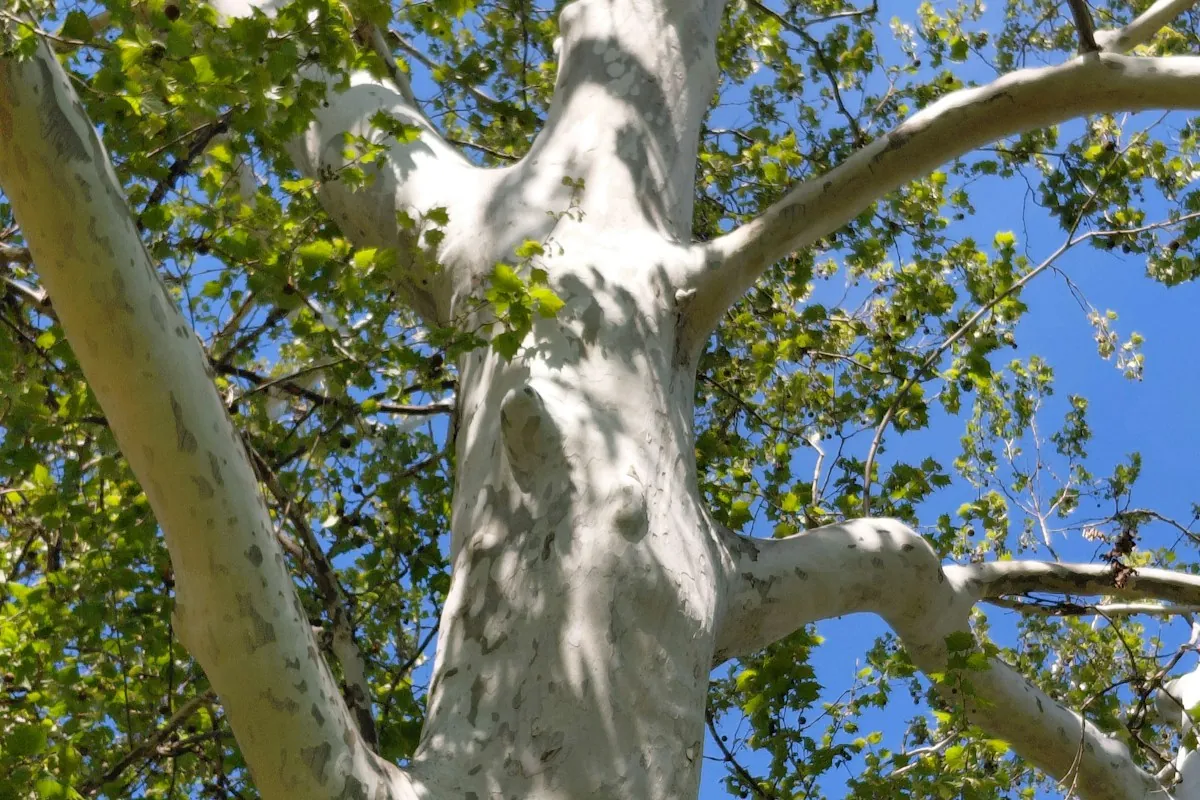
| California sycamore | Platanus racemosa |
| California walnut | Juglans californica |
| California bay | Umbellularia californica |
| California buckeye | Aesculus californica |
| California alder | Alnus rhombifolia |
| Fremont cottonwood | Populus fremontii |
| Black cottonwood | Populus trichocarpa |
| Arroyo willow | Salix lasiolepis |
Swipe the table sideways to see every column →
Source: Pasadena Municipal Code 8.52.020 P.
Which yards count on a single-family lot
On single-family (RS) and RM-12 lots, natives and specimens are protected only in four places: the established front yard, the required side yard, the established corner yard and the required rear yard (section 8.52.025 A). The code defines the established front yard as the area between the front property line and the house, and the corner yard as the area between the side property line and the house. A native oak in the middle of a big backyard, outside the required rear setback, isn't protected by this section, though a landmark tree would be. On all other kinds of lots, natives and specimens are protected anywhere.
Specimen trees, palms included
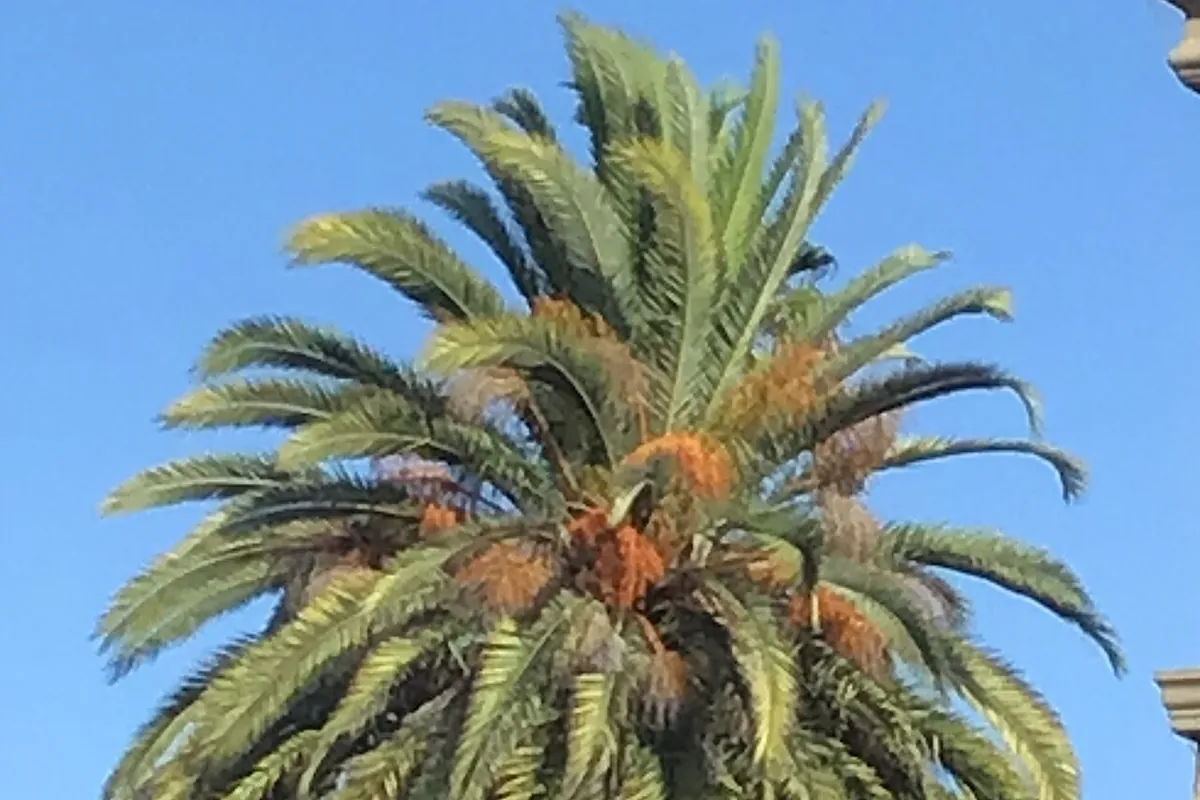
Specimen trees are species the City Council lists by resolution, each with a minimum size, as outstanding examples of desirable species. The list is a City document (“TPO_3 Protected Tree List”). Search excerpts of it show entries such as bigleaf maple at 20 inches, trident maple and Japanese maple at 12 inches, Canary Island date palm at 20' and California fan palm at 35'. We could only read excerpts, so check the full list with the City for your species; for palms, see palm tree removal.
Landmark and mature trees
Landmark trees
A landmark tree is designated under Chapter 17.62 for historic or cultural significance: one of the largest or oldest of its species in the city, tied to a historic building, site, street, person or event, or a defining feature of a neighborhood. Anyone can nominate a tree to the Historic Preservation Commission, and a tree that meets the criteria (landmark-eligible) is protected too. Landmark trees are protected anywhere on any lot, and even pruning one needs a permit.
Mature trees
Any otherwise unprotected tree with a trunk of 19 inches or more is a mature tree, protected in every zone except properties under single-family (RS) or RM-12 standards. So the 19 inch rule matters for apartments, commercial and institutional lots, not for most houses.
How to measure your tree
- Measure 4.5 feet up the trunk from the ground, on the uphill side if the ground slopes
- Wrap a tape around the trunk and divide the circumference by 3.14 to get the diameter
- A native counts when the result is more than 8 inches; the mature rule starts at 19 inches
- If the tree forks below 4.5 feet, measure each trunk and combine the trunk areas, not the diameters
What protection means
A protected tree can't be removed or injured without a permit; see the Pasadena tree removal permit guide for the process, fees and penalties. Pruning that doesn't injure a native or specimen tree needs no permit; see oak tree trimming. For a protected oak that has to go, see oak tree removal, and for sycamores under attack, the shot hole borer guide. Street trees are protected separately and are City-only; see Pasadena street trees. In Altadena, County oak rules apply instead; see tree removal in Altadena. For everything unprotected, tree removal in Pasadena.
Last reviewed October 2026.