Tree removal in Pasadena: what the job covers
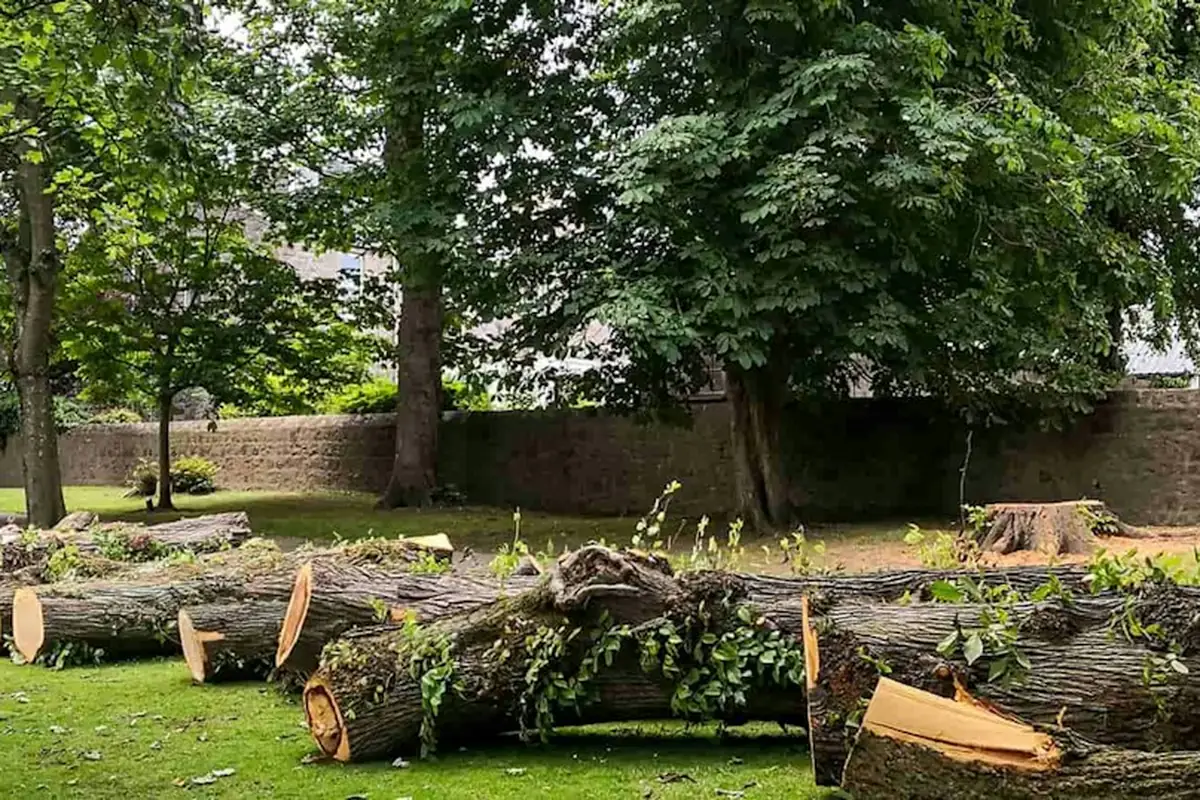
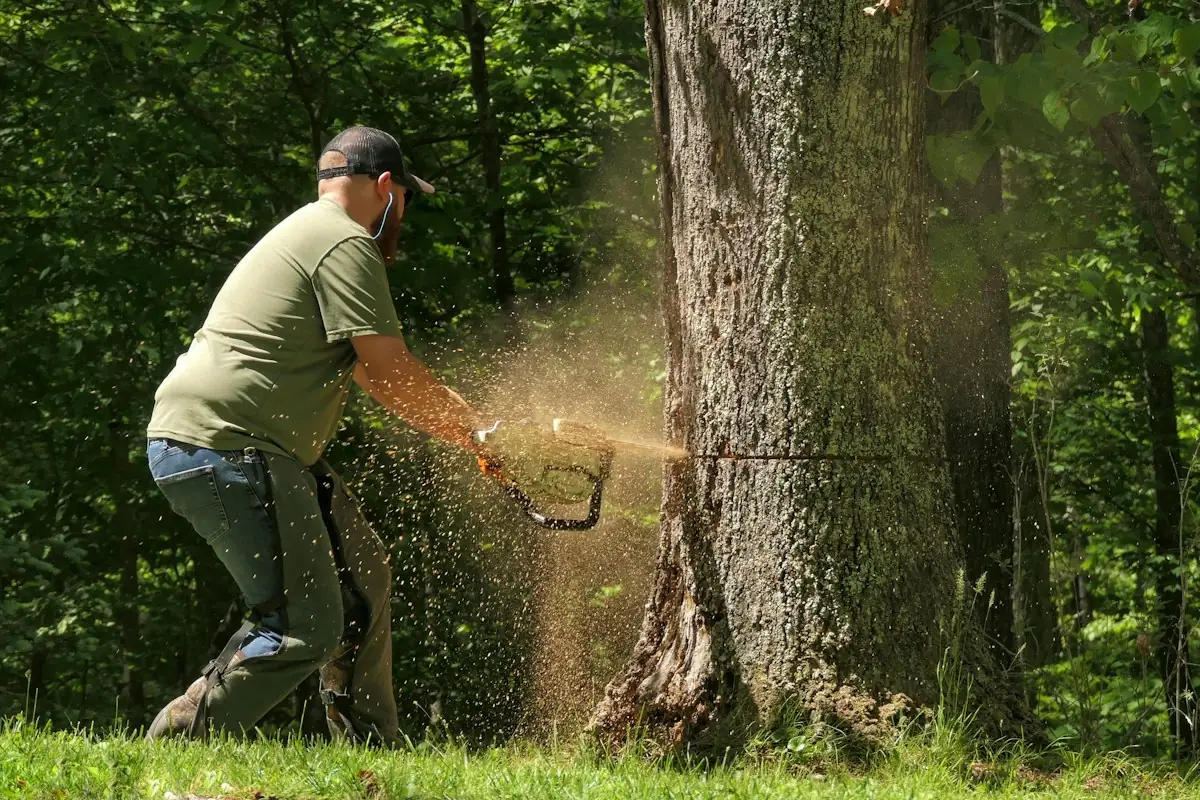
A tree removal in Pasadena covers the whole tree above ground: the crown, the limbs and the trunk, cut and taken off the property, with the stump either cut low or ground out. On an open lot a tree can sometimes be felled in one piece toward a clear landing zone. Most Pasadena yards don't have that room. Houses sit close together, garages and pools sit under the canopy, and the street side has parked cars and power lines, so most removals here are dismantled from the top down.
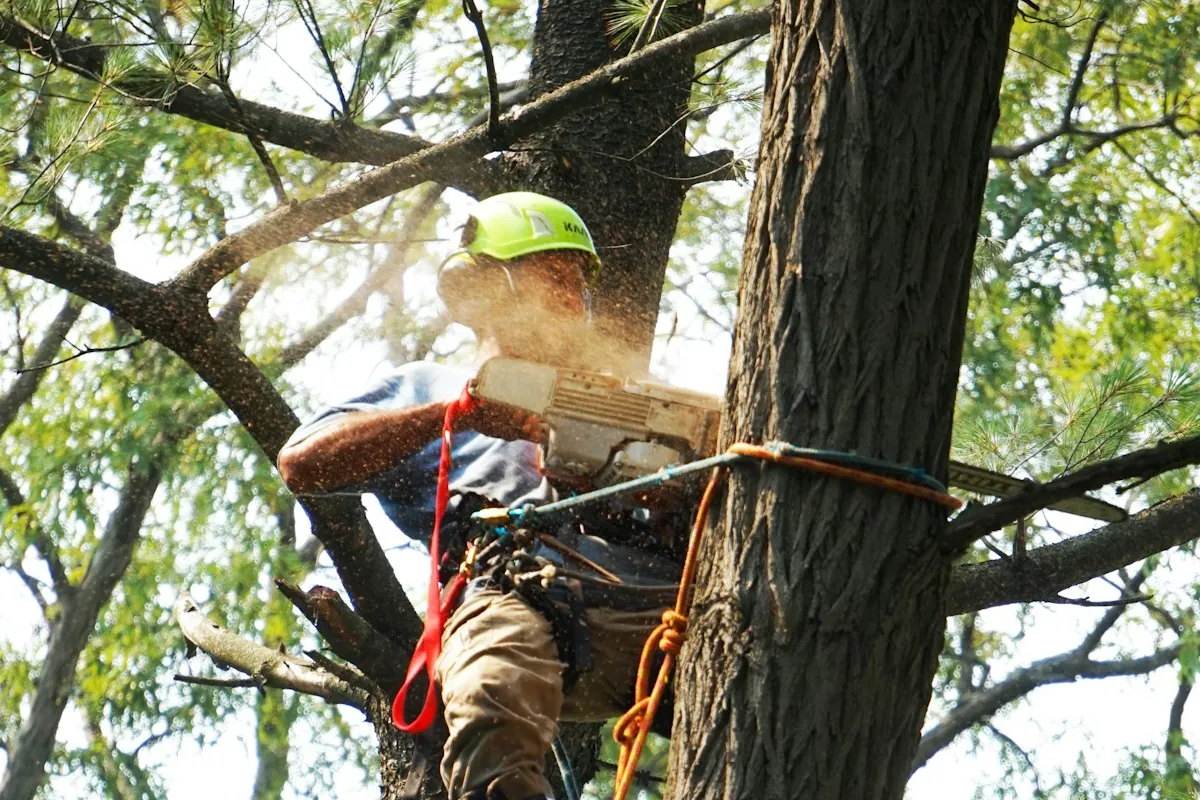
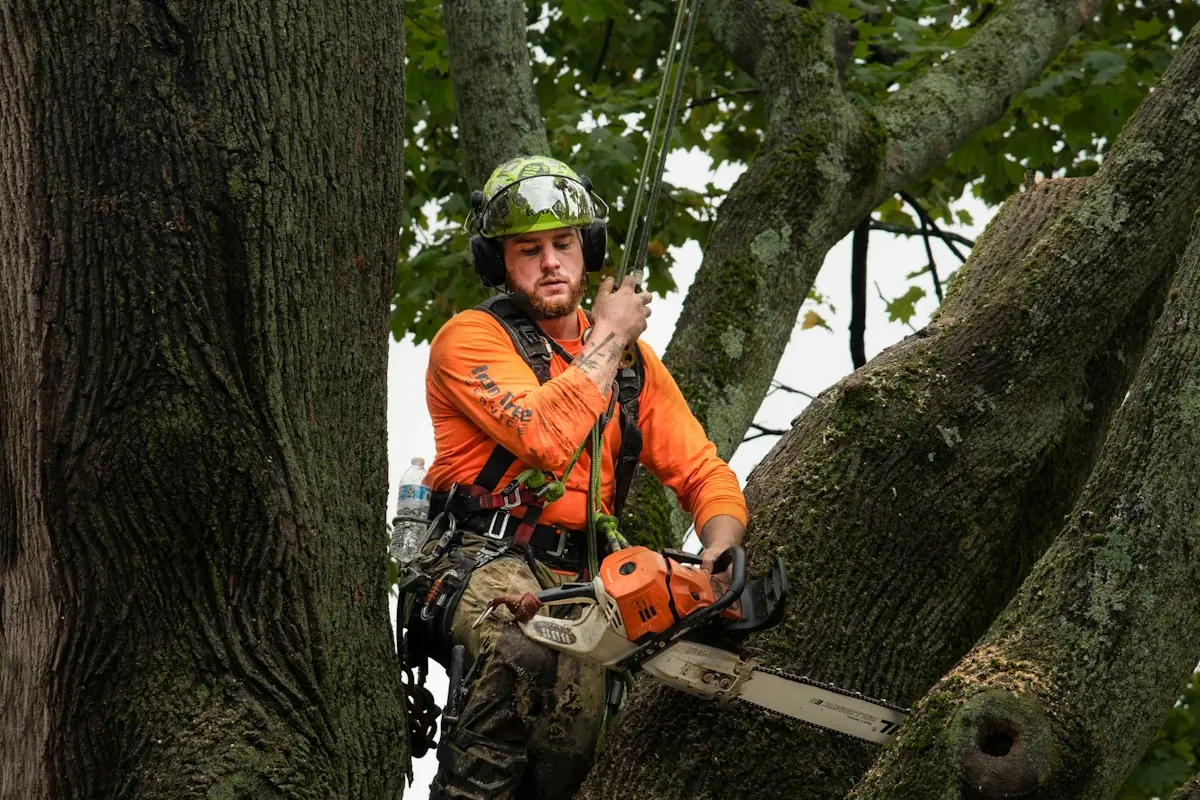
A climber ties in high, takes the small limbs first, then lowers heavier wood on ropes so nothing drops on the roof or the fence. The trunk comes down last in rounds. When even that is too risky, for example a dead tree that can't hold a climber or a big trunk leaning over a house, a crane tree removal in Pasadena lifts the pieces out instead.
Does your Pasadena tree need a removal permit?
Only a protected tree needs a City permit, and on a single-family lot most trees aren't protected. Pasadena Municipal Code Chapter 8.52 protects four kinds of private trees. Run through this list before you get quotes:
- Is it one of the 13 native species (coast live oak, Engelmann, canyon, scrub or valley oak, California sycamore, California walnut, California bay, California buckeye, California alder, Fremont or black cottonwood, arroyo willow) with a trunk more than 8 inches across at 4.5 feet?
- Is it on the City's specimen tree list at or above that species' listed size?
- Has it been designated a landmark tree, or could it qualify as one?
- On a single-family or RM-12 lot: does it stand in the front yard, a required side yard, the corner yard or the required rear yard? Natives and specimens elsewhere on the lot aren't protected.
- On any other kind of lot: is it 19 inches or more across (a mature tree)?
Measure the trunk 4.5 feet up on the uphill side, or wrap a tape around it and divide the circumference by 3.14. If any answer is yes, the tree needs a permit before removal. The Pasadena protected tree list guide covers the species, and the Pasadena tree removal permit guide covers the application, the $1,098 fee for 1 to 3 trees (FY2026), the six findings and the penalties. A certified arborist's report can halve the single-family fee, per the City's checklist.
Tree removal prices in Pasadena by species and height
Tree removal prices in the Los Angeles area run 15 to 30 percent above the national average, and species changes the number as much as height does. All figures come from one source, treesremovalcostcalculator.com's Los Angeles guide (updated May 2026):
| Species | Small, under 30 ft | Medium, 30 to 60 ft | Large, 60 to 80 ft |
|---|---|---|---|
| Oak | $400 to $900 | $800 to $1,800 | $1,500 to $2,800 |
| Eucalyptus | $400 to $800 | $800 to $1,600 | $1,400 to $2,800 |
| Pine | $350 to $700 | $700 to $1,400 | $1,200 to $2,200 |
| Palm (Washingtonia) | $200 to $500 | $500 to $1,100 | $900 to $1,800 |
Swipe the table sideways to see every column →
Add-ons in the same guide: stump grinding $100 to $450, palm trunk haul-away $100 to $300, permit help $75 to $250, and a fire-zone premium of 10 to 25 percent in High and Very High Fire Hazard areas. Quotes vary by site.
What pushes a quote to the top of those ranges: a roof, pool or fence under the canopy, a backyard tree with no truck access, power lines in the tree, a dead or split trunk that can't be climbed safely, and heavy wood such as eucalyptus and oak. The tree removal cost in Pasadena page works through example sizes, including the 30 foot tree and the $1,000 tree.
The trees Pasadena yards actually have
Palms
Tall Mexican fan palms and heavy Canary Island date palms are some of the most common Pasadena removals, especially dead or leaning ones. They come down from the top in short rounds, and the trunk is heavy to haul. See palm tree removal in Pasadena.
Eucalyptus and pine
Big, fast-growing and heavy. Eucalyptus is the costliest common removal in the Los Angeles guide, and both eucalyptus and pine are on LA County Fire's list of combustible species to keep away from houses. See eucalyptus tree removal.
Oaks and sycamores
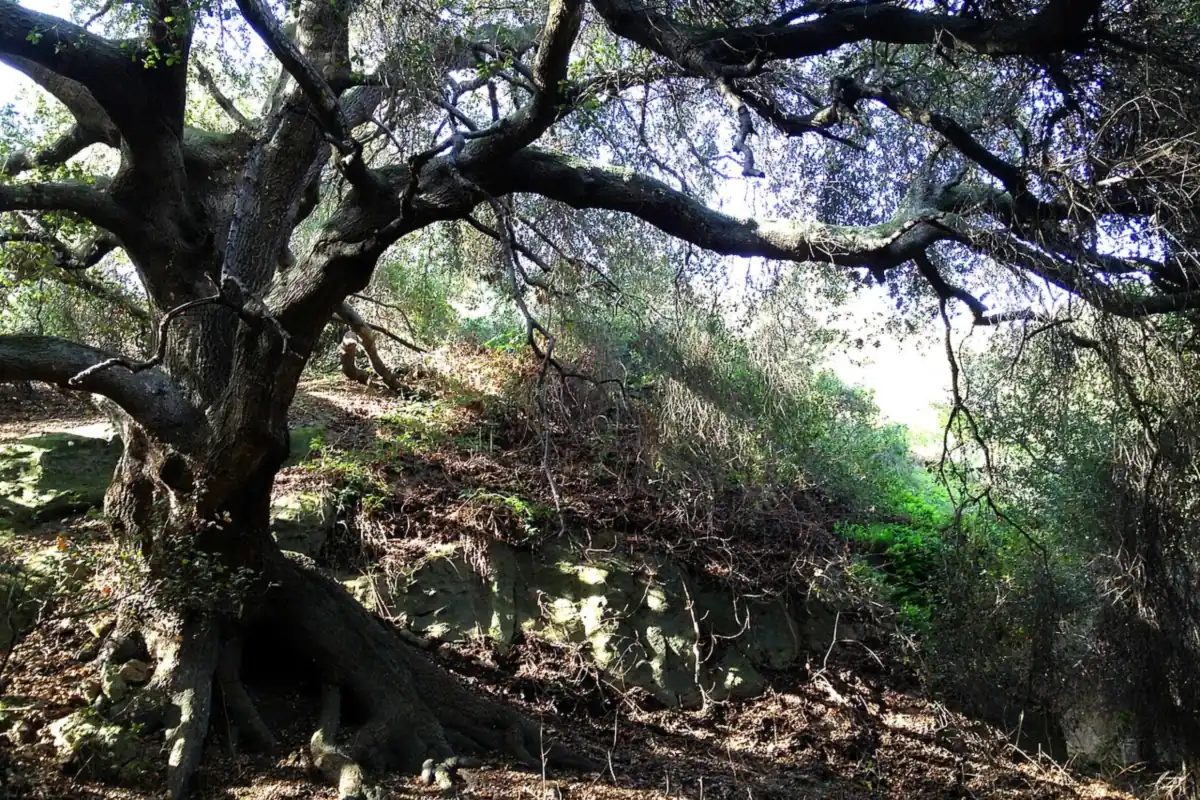
Coast live oak and California sycamore are protected natives once the trunk is over 8 inches, so their removal starts with the permit question. Sycamores along the Arroyo have also been hit by the shot hole borer, which can turn a healthy-looking tree into a limb-drop hazard; see the shot hole borer guide and oak tree removal in Pasadena.
Big-rooted trees by driveways and walls
Ficus, pepper trees and other large trees planted close to hardscape are often removed for what their roots are doing. The stump and the main roots matter as much as the trunk on those jobs, so plan on stump grinding in Pasadena as part of the quote.
How removal day goes
- 1Set up and protect
Trucks park, cones go out, and anything movable under the tree is cleared. Lawns and planting beds near the drop zone get plywood or mats.
- 2Take the crown
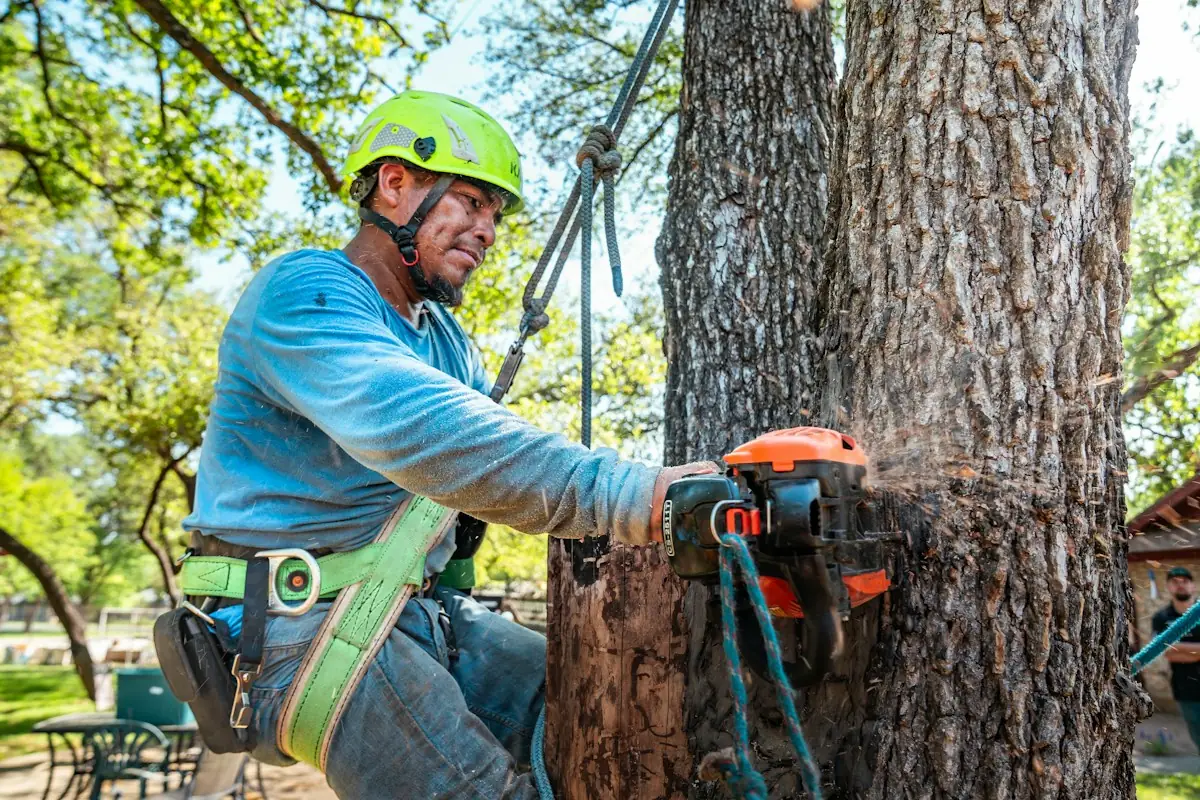
The climber removes small limbs first and works out the heavier ones on lowering ropes, so each piece comes down where the ground crew wants it.
- 3Bring down the trunk
With the crown gone, the trunk is cut in rounds from the top, or felled in one piece if the landing zone is clear and long enough.
- 4Chip and haul
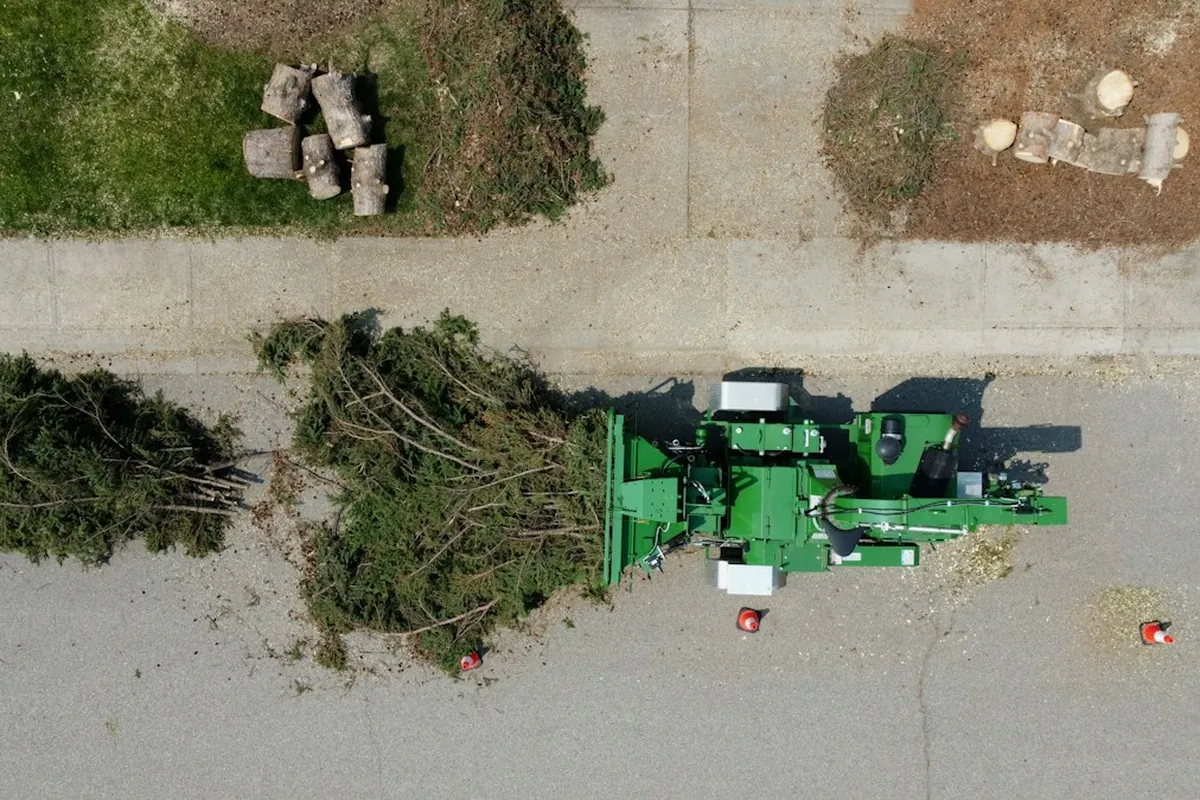
Branches go through the chipper at the curb; trunk rounds are loaded or left stacked as firewood if you ask.
- 5Stump and cleanup
The stump is cut low or ground out, and the yard is raked and blown clean of chips and sawdust.
When a tree can come down without waiting
A protected tree can be removed without a permit only in a true emergency. Pasadena's code allows it when immediate action is needed to protect life or property and the City Manager's designee, a police officer or a firefighter has inspected the tree and found it hazardous. A tree that has already fallen, or a split trunk hanging over a house after a Santa Ana night, is an emergency tree removal. A tree that is dead or failing but standing is a hazard tree removal, which usually still runs through the permit if the tree is protected.
Altadena is outside the City and follows Los Angeles County's oak rules instead; see tree removal in Altadena.
Licensing for tree removal in California
Paid tree work in California falls under the CSLB's C-49 Tree and Palm classification, which covers planting, maintaining and removing trees and palms, pruning, stump grinding and guying. Older C-61/D-49 Tree Service licenses still count. Since January 1, 2025, an unlicensed person may only take a job under $1,000 total, with no helpers and no permit, which rules out nearly every removal. Check any license number at the CSLB before signing.